The Importance of Deburring in Modern Manufacturing
April 23, 2026
The Importance of Deburring in Modern Manufacturing
Deburring’s critical impact on product quality, workplace safety, and operational efficiency cannot be overstated. In metal processing, burrs - unwanted rough edges or protrusions - are an inevitable byproduct of cutting, machining, or welding. This article highlights the essential role of deburring in ensuring high-quality manufacturing outcomes and streamlining operations.
What is Deburring, and Why is It Crucial?
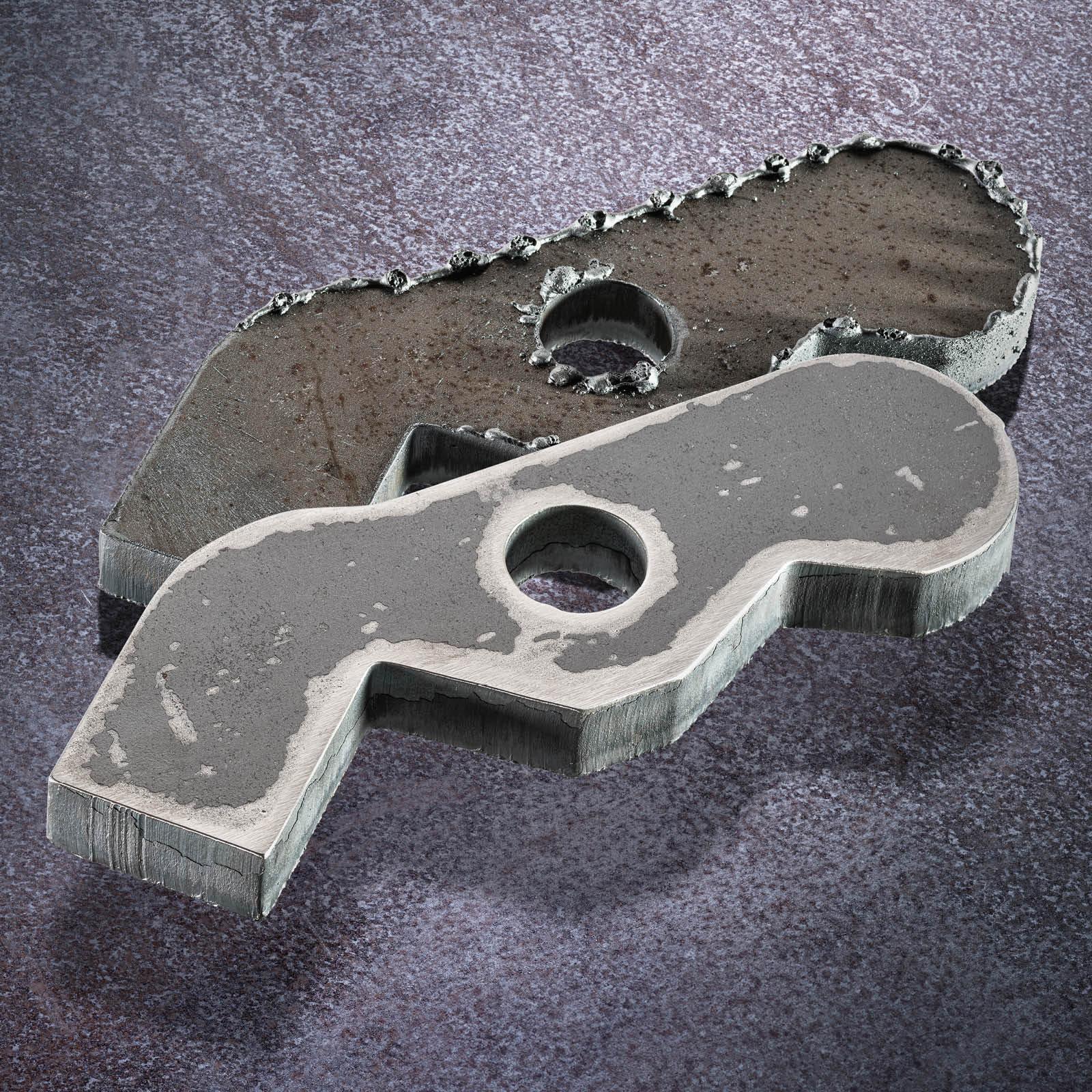
Burrs can be classified into two primary categories: thermal burrs and mechanical burrs. Thermal burrs are created during processes involving heat, such as plasma cutting, while mechanical burrs arise from metal-to-metal contact, like punching or machining. Regardless of the source, these imperfections can have far-reaching consequences if not properly addressed.
Proper deburring eliminates these rough edges, which can pose significant safety hazards and quality issues. Sharp edges can injure workers, damage manufacturing equipment, or compromise the safety of the end user. In metal fabrication facilities, workplace safety is a top priority, and deburring plays an essential role. By eliminating sharp edges, manufacturers can reduce the risk of injuries to workers handling the components. This proactive measure minimizes the likelihood of costly and concerning workers’ compensation claims and fosters a safer working environment. Deburring ensures smoother and safer handling during manufacturing and throughout the product's lifecycle. Safety isn’t just an added benefit - it’s a critical aspect of the manufacturing process that underscores the value of effective deburring.
Moreover, deburring contributes to the production of high-quality components. Removing burrs promotes better welding and paint adhesion, improves the appearance of finished products, and ensures compliance with industry standards. Without deburring, paint or powder coatings may fail to adhere properly to surfaces, leading to premature wear and higher warranty claims. These claims can be costly, requiring manufacturers to replace or repair faulty parts, process returns, and potentially lose customer trust, impacting long-term business relationships. Additionally, rejected parts during quality control create inefficiencies that ripple through the production line, generating unnecessary waste.
From a sustainability perspective, effective deburring helps reduce material waste and energy consumption. By ensuring components meet quality standards the first time, manufacturers can avoid rework and the environmental cost of scrapping defective parts. This aligns with broader industry trends toward sustainable manufacturing practices, as minimizing waste and optimizing processes contribute to a smaller environmental footprint. In this way, deburring not only enhances product quality and customer satisfaction but also supports a more sustainable and cost-efficient production process.
Modern Solutions: Efficiency and Effectiveness
The efficiency of deburring processes has advanced significantly, with modern deburring machines setting new standards. In the past, manufacturers relied on labor-intensive manual deburring methods or noisy tumbling processes that were time-consuming and often inconsistent. Tumbling, for instance, involved placing smaller parts into a large vibrating bowl filled with abrasive materials. While functional, this method creates an unpleasant work environment and lacks precision. Modern deburring machines, in contrast, provide a quieter, cleaner, and more efficient alternative. Newer systems allow manufacturers to deburr both sides of a component simultaneously in a single pass. This dual-sided deburring capability minimizes handling time, reduces operational costs, and ensures consistent quality across all parts.
Additionally, advancements in edge rounding are addressing evolving industry needs. Where sharp edges were once more acceptable, many applications now require edges to be completely rounded and smoothed. This change reflects a growing emphasis on consumer safety.
Beyond safety and efficiency, deburring significantly impacts the quality and performance of metal products in subsequent processes like coating, welding, and painting.
Some modern deburring machines can be used to round the sharp edges, a rounded edge increases the surface and gives the coating better adhesion. This capability enhances the durability of coatings, prolonging the lifespan of components and reducing the need for rework or repairs. In welding applications, properly deburred edges improve joint quality and reduce the risk of weld defects, contributing to stronger, more reliable products.
Cost Savings and Efficiency Gains
One of the most compelling benefits of modern deburring techniques is their ability to reduce production costs while increasing efficiency. Manual deburring methods are not only labor-intensive but also inconsistent, leading to variability in product quality. By transitioning to automated deburring machines, manufacturers can achieve consistent, high-quality results at a faster pace.
For example, dual-sided deburring in a single pass reduces the number of times a part needs to be handled, cutting down on labor costs and processing time. Over time, these efficiency gains translate into substantial cost savings, particularly for high-volume production environments.
Industry Applications and Considerations
Deburring is a critical process for any industry that cuts flat metal, from OEMs to job shops. Whether working with thin gauge materials or thick plates up to 4.5 inches, manufacturers across sectors benefit from advanced deburring solutions. These industries include automotive, aerospace, construction, and heavy equipment manufacturing, where precision and durability are paramount.
When selecting a deburring solution, manufacturers should consider several factors:
- Material Type: Are multiple materials, such as carbon steel, stainless, titanium, and brass, being processed in the same machine? If so, a wet machine might be necessary to manage mixed materials effectively.
- Surface Finish: Does the product require a specific appearance, or is basic deburring sufficient?
- Processing Needs: Is dual-sided deburring required, or is single-sided processing sufficient for the application?
- Edge Rounding Requirements: Many modern applications demand specific edge rounding to meet safety and quality standards.
By carefully evaluating these factors, manufacturers can choose the right deburring solution to meet their specific needs.
Meeting Industry Standards and Regulations
Compliance with industry standards and regulations is another area where deburring plays a pivotal role. For instance, many industries require specific edge finishes or paint adhesion characteristics to ensure safety, durability, and performance. LISSMAC’s machines are designed to meet these exacting requirements, offering customizable solutions for a wide range of applications.
Whether it’s achieving a precise edge radius or preparing surfaces for powder coating, LISSMAC systems deliver results that align with stringent industry specifications. This capability not only simplifies compliance but also enhances the overall quality of manufactured products.
LISSMAC’s commitment to innovation and efficiency sets its deburring solutions apart. By combining dual-sided processing, edge rounding, and advanced automated capabilities, these machines provide a comprehensive solution for modern manufacturing challenges. The ability to handle a wide range of materials and thicknesses ensures that LISSMAC systems are versatile enough to meet the needs of diverse industries.
Deburring and Automation: A Growing Opportunity
Automation is becoming increasingly relevant in the deburring world, particularly for tasks like loading and unloading parts into machines. While fully automated deburring processes are still emerging, the integration of automation technology into LISSMAC’s systems is already making strides in improving efficiency and reducing manual labor.
This shift is especially significant as manufacturers seek to address labor shortages and improve productivity. Automating repetitive tasks such as part handling reduces the burden on workers and ensures a more streamlined production process.
Featured LISSMAC Solutions:
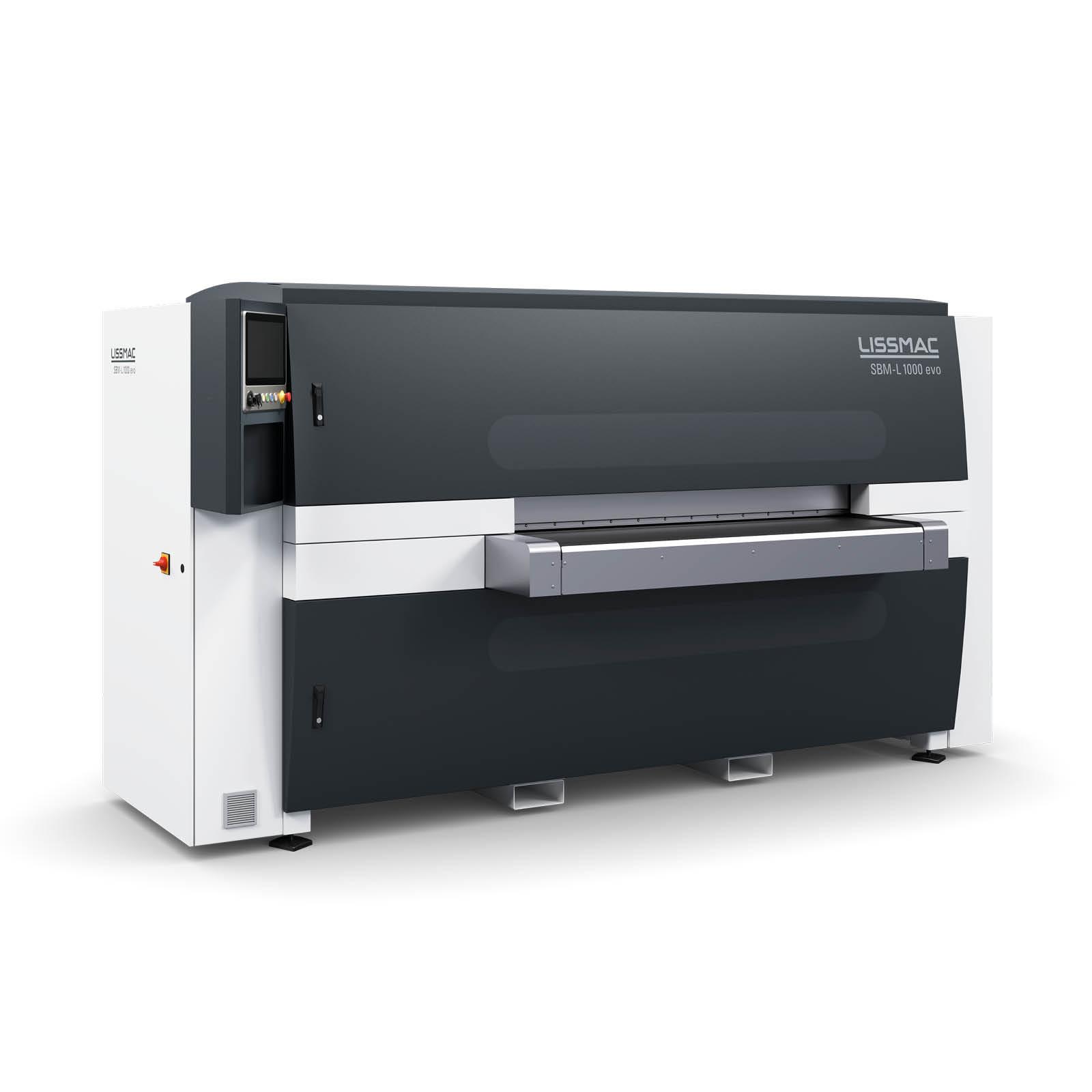
SBM-L G1S2 EVO
The SBM-L G1S2 EVO is LISSMAC’s flagship sheet metal deburring and edge rounding machine, engineered to process both sides of a workpiece in a single pass. Compatible with stainless steel, steel, aluminum, and non-ferrous metals, it handles material thicknesses from 0.5 to 60 mm across working widths of 1500 or 2000 mm. Double-sided processing eliminates the need to flip or re-handle parts, delivering throughput time reductions of up to 60% compared to conventional methods. The machine features LISA, LISSMAC’s Set-Up Assist, which guides operators to the correct processing parameters automatically and without prior machine knowledge. A 13.3” full HD touch panel, quick tool change, and compact footprint make the SBM-L G1S2 EVO well-suited for integration into automated production lines or high-volume fabrication environments.
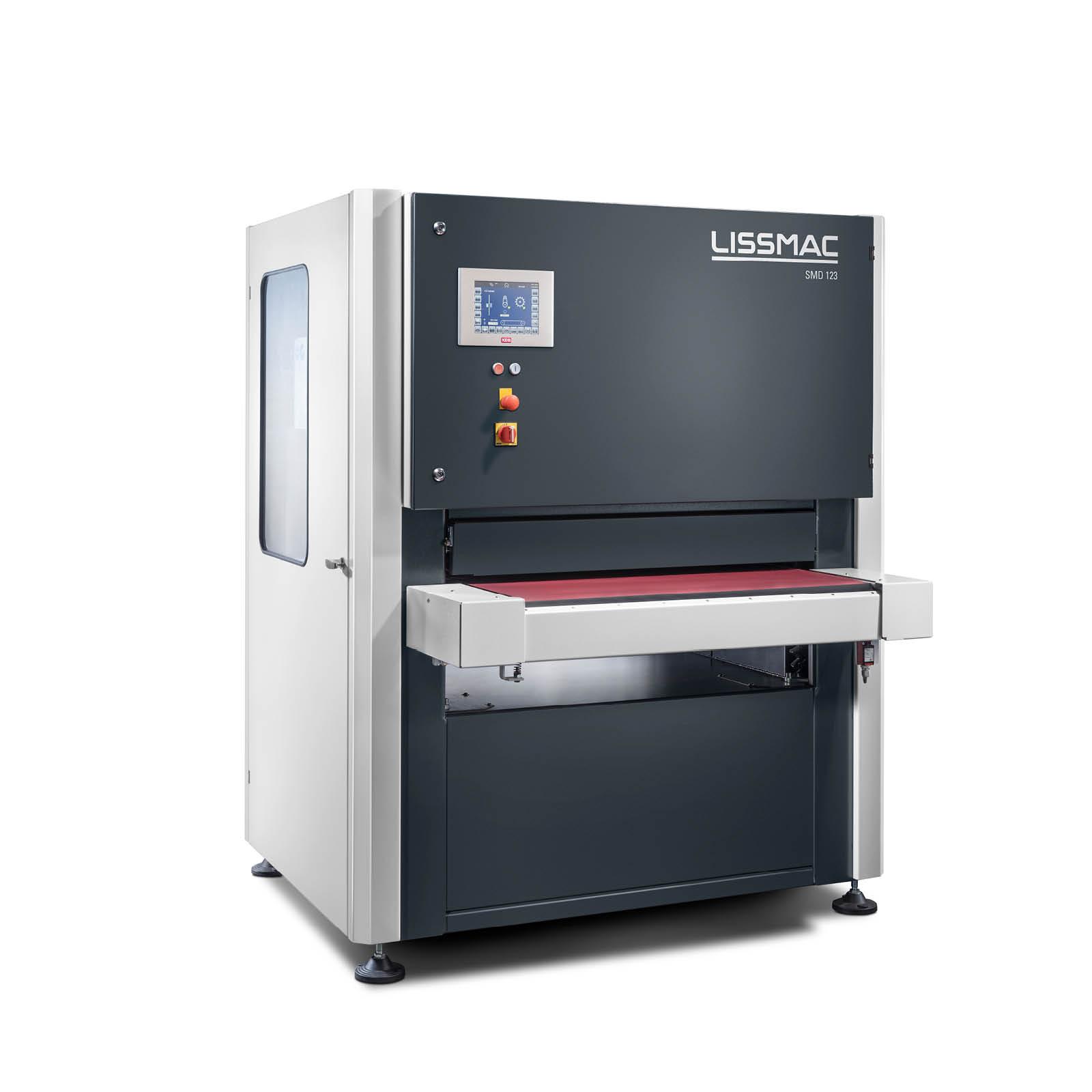
SMD 123 RE
The SMD 123 RE is a versatile entry-level deburring and surface finishing machine designed for cost-effective single-sided processing in a dry environment. Two rotary wheels deliver consistent edge rounding and uniform surface finishing across external and internal contours, with no complex setup required. The machine accommodates steel, stainless steel, and aluminum parts up to 950 mm wide and 50 mm thick, including components with up-forms. An intuitive touch panel allows individual aggregates to be operated independently, and stepless grinding belt speed adjustment gives operators precise control over the finish. With low tool costs, quick tool changes, and a compact footprint, the SMD 123 RE offers a strong price-to-performance ratio and fast return on investment for shops looking to bring consistent deburring in-house.
Conclusion
Deburring is more than just a finishing touch - it’s a critical step in the manufacturing process that impacts safety, quality, efficiency, and compliance. As industries demand higher standards and faster production times, LISSMAC’s advanced deburring solutions are leading the way. By investing in modern deburring technology, manufacturers can not only improve their processes but also position themselves for long-term success in an increasingly competitive market.